 The Fault in Our Stars Parents Guide
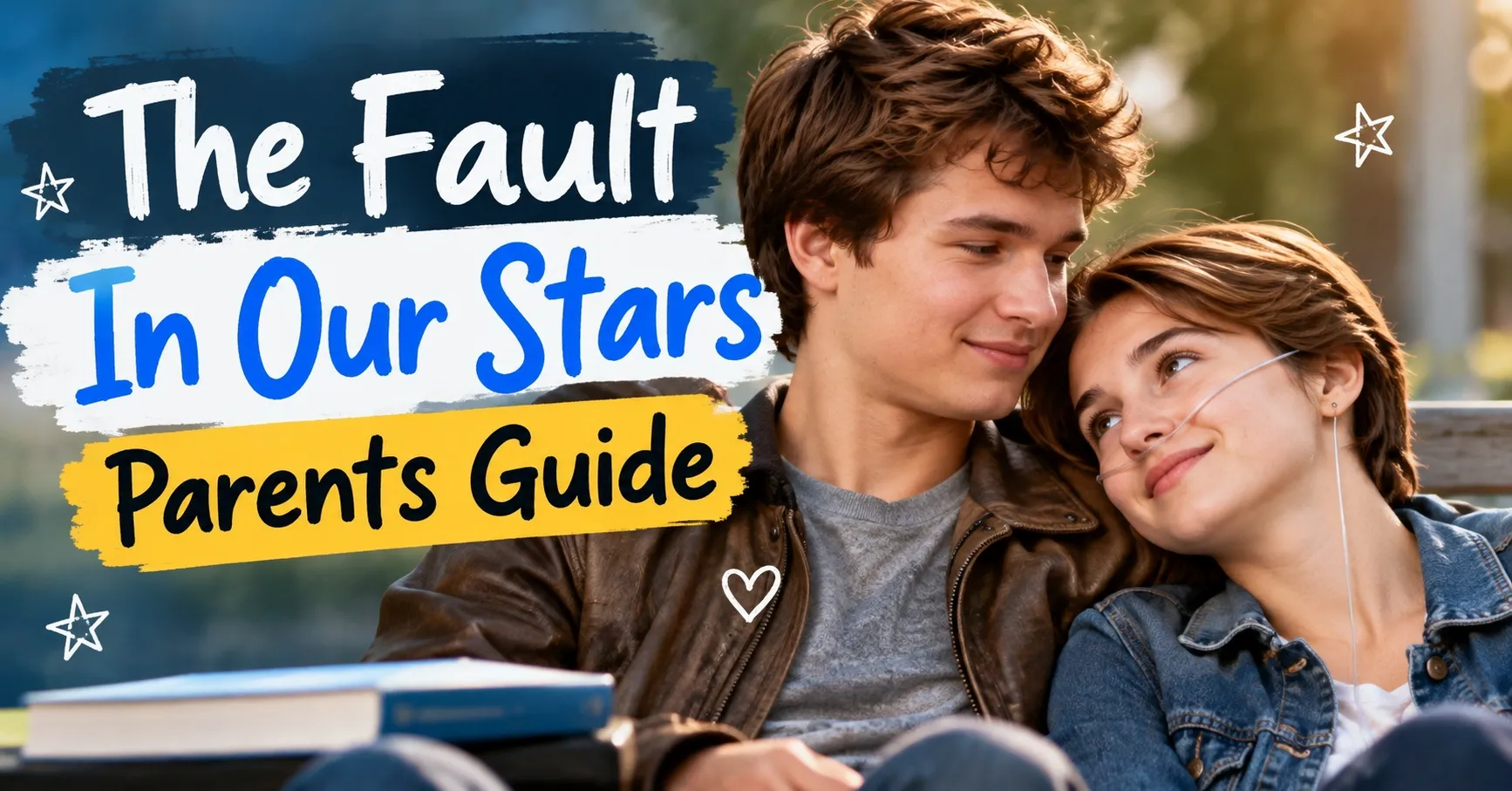
Navigating whether the moving story of The Fault in Our Stars is appropriate for your child requires understanding its official ratings, emotional weight, and format differences. Whether your teen is looking to read John Green’s bestselling novel or watch the 2014 movie adaptation, this quick verdict breaks down the core content elements to help you make an informed parenting decision instantly.
Quick-Glance Summary Box (MPAA Rating, Common Sense Media Consensus, Recommended Age)
Evaluating content safety for young adults starts with established industry benchmarks. The Fault in Our Stars carries an official PG-13 rating and is broadly recommended for mature teens aged 13 to 14 and older due to heavy emotional themes and mild language.
MPAA Rating: Rated PG-13 for thematic elements, some sexuality, and brief strong language.
Common Sense Media Consensus: Recommended for ages 14+ due to intense emotional distress and terminal illness themes.
Core Content Warning: Features strong depictions of grief, childhood cancer, medical devices, and minor profanity.
Official Database Reference: For complete, minute-by-minute advisory logs, you can consult the official IMDb Parents Guide.
Book vs. Movie at a Glance: What Format Are You Evaluating?
Parents often search for content guidance interchangeably, but the medium matters. While both the book version and the movie adaptation share the same narrative arc, pacing and visual triggers differ significantly.
The Book Version: Written by John Green, the novel offers deeper internal monologues, existential philosophy, and metaphorical symbols like the unlit cigarette.
The Movie Adaptation: The cinematic release brings visual realism to hospital scenes, medical equipment, and romantic chemistry that can evoke stronger emotional responses in sensitive viewers.
Visual vs. Textual Impact: Younger teens may process written grief differently than witnessing the realistic physical decline of characters on screen.
Book vs. Movie: Navigating Content Differences for Parents
Parents evaluating this story often search interchangeably for the book and the movie without realizing how distinct the two formats can feel to a young reader or viewer. Understanding the structural differences between John Green’s original text and the cinematic release ensures you can choose the format that best matches your teen’s maturity level.
Is the Book Different from the 2014 Movie Adaptation?
Yes, while the 2014 Twentieth Century Fox movie adaptation stays remarkably faithful to the core plot of John Green’s novel, the medium fundamentally changes how sensitive elements are processed. Parents must weigh the immersive, imaginative nature of reading against the direct visual realism of film.
Plot Consistency: Both versions follow Hazel Grace Lancaster and Augustus Waters meeting in a support group, bonding over a favorite novel, and traveling to Amsterdam.
Pacing Differences: Reading a book allows teens to pause, process grief, and step away from heavy emotional moments at their own pace, whereas a 125-minute film delivers continuous visual stimulation.
Sensory Impact: Witnessing medical equipment and physical decline on a screen often triggers a more intense emotional reaction than reading about it on a page.
Narrative Depth in John Green’s Novel vs. Screen Adaptation
John Green’s novel relies heavily on internal philosophical musings about oblivion, terminal illness, and existential meaning. In contrast, the screen adaptation translates these abstract literary themes into tangible performances by lead actors Shailene Woodley and Ansel Elgort.
Literary Themes in the Book: The novel dives deeper into Hazel’s existential isolation, her relationship with her parents, and extended philosophical commentary on how literature mirrors life and death.
Cinematic Expression: The film relies on visual shorthand, scenic cinematography in Amsterdam, and musical scores to evoke sadness, making the romantic and tragic beats hit faster.
Audience Reception: Community review hubs like Goodreads highlight how readers often appreciate the book’s introspective nuance, while movie viewers focus heavily on the tear-jerking chemistry of the central romance.
Which One Should Your Teen Experience First?
Deciding whether your teenager should read the book or watch the movie first depends entirely on their emotional processing style and literacy habits. Recommending the right sequence helps mitigate unexpected emotional distress.
The Case for Reading First: Starting with the novel gives teens ownership over how they visualize characters and allows them to absorb complex themes of mortality through a literary lens.
The Case for Watching First: Screening the movie can serve as a visual trial run for sensitive viewers, letting parents gauge whether their child is emotionally prepared for the deeper dive into the book.
Parental Recommendation: For younger or highly empathetic teens, reading the book together chapter-by-chapter provides natural opportunities to pause and discuss heavy emotional beats.
Romance, Intimacy, and the “Spicy” Reality Check
Navigating modern search terms like “spicy scenes” requires transparency so parents can evaluate media appropriateness accurately. Understanding the true boundary of physical intimacy in this story prevents surprises for families seeking clean yet emotionally resonant entertainment.
Are There Explicit or “Spicy” Scenes in The Fault in Our Stars?
The story features mild teen romance rather than explicit content, aligning strictly with standard PG-13 guidelines. There is no graphic sexual material or explicit erotica, making it suitable for older teenagers exploring emotional relationships without encountering mature adult content.
PG-13 Boundaries: Content restrictions remain well within mainstream Hollywood guidelines, focusing on emotional vulnerability over physical acts.
Thematic Focus: Romance serves as a vehicle to explore existential questions about love, legacy, and terminal illness rather than physical gratification.
Parental Reassurance: Families concerned about explicit adult elements will find the relationship handled with emotional restraint.
Kissing, Touch, and the Teen Bed Scene Breakdown
Physical intimacy centers on emotional connection, teenage romance, and the reality of navigating chronic illness. While characters share passionate kisses and a significant emotional bed scene, it involves partial upper-body nudity and non-graphic physical contact.
The Amsterdam Hotel Scene: Characters experience an emotionally heightened moment involving kissing, unbuttoning shirts, and partial chest and back nudity.
Medical Constraints: Physical touch remains carefully contextualized around Hazel Grace Lancaster and her oxygen cannula, emphasizing tenderness over physical intensity.
Character Boundaries: Both Hazel and Augustus Waters maintain emotional boundaries that reflect their age and health realities.
Dialogue About Virginity and Coming-of-Age Themes
The narrative includes candid dialogue about virginity and mortality, reflecting authentic teenage introspection. Hazel and Augustus discuss intimacy openly, driven by the urgency of their terminal diagnoses rather than casual hookup culture.
Open Conversations: Dialogue touches directly on physical intimacy and virginity as part of growing up under extraordinary circumstances.
Existential Urgency: Discussions about sex are deeply intertwined with fear of being forgotten and the desire to experience normal adolescent milestones.
Emotional Maturity: The script and text treat these topics with gravity, ensuring that romantic interactions reinforce the central themes of love and grief.
The Heavy Reality: Terminal Illness, Grief, and Emotional Impact
Traditional parent guides treat emotional trauma like a clinical statistic, listing content triggers without acknowledging the psychological weight of the story. Understanding the heavy reality of childhood terminal illness and grief ensures parents can gauge whether their child is emotionally equipped to process these profound themes.
The Central Theme: Childhood Terminal Cancer and Physical Decline
The narrative revolves around characters navigating advanced childhood cancer, making physical decline and mortality the inescapable core of the story. Rather than sugarcoating illness, the plot forces both characters and readers to confront palliative care realities, loss of independence, and the heartbreaking unpredictability of chronic disease.
Palliative Realities: Characters spend significant time discussing medical treatments, tumors, and life expectancy without euphemisms.
Loss of Bodily Autonomy: Portrayals of physical weakness highlight how illness strips away normal teenage experiences, replacing them with medical dependency.
Emotional Resonance: The focus remains on dignity and finding meaning amidst terminal prognosis, which can feel intensely heavy for empathetic viewers.
Medical Equipment Triggers: Oxygen Tanks, Nasal Cannulas, and Hospital Scenes
Visualizing the day-to-day management of terminal illness introduces stark medical imagery that may distress sensitive children or anyone with clinical phobias. Frequent hospital visits, clinical environments, and supportive life devices form an authentic backdrop to the characters’ lives.
Visible Life Support: The protagonist relies on a portable oxygen tank and a nasal cannula, normalizing medical gear as a constant daily companion.
Clinical Settings: Scenes frequently shift to sterile hospital rooms, support group basements, and medical check-ups that emphasize vulnerability.
Physical Suffering: Coughing fits, pain management routines, and sudden medical emergencies are depicted realistically on screen and on the page.
Anticipation of Death and Coping with Grief
The emotional core of the story deals directly with the anticipation of death and the profound grief left behind for surviving loved ones and parents. Characters grapple openly with oblivion, fear of being forgotten, and the unfairness of an early end.
Existential Conversations: Teens discuss what happens after death, confronting mortality with raw honesty rather than comforting platitudes.
Parental Grief: The perspective of grieving parents is prominently featured, showing the devastating impact of losing a child.
Processing Loss: The narrative provides a masterclass in emotional resilience, but the path to acceptance requires working through intense sorrow.
Why Sensitive Children May Struggle Emotionally
Not all teenagers process heavy emotional trauma at the same developmental stage, making individual emotional maturity the ultimate deciding factor. Highly sensitive children or those dealing with recent personal loss may experience heightened anxiety or distress when exposed to themes of dying peers.
Empathy Overload: Highly empathetic youth often absorb the emotional pain of the characters, leading to lingering sadness or sleep disruption.
Personal Triggers: Children who have experienced family illness or hospitalizations may find the realistic medical depictions overly triggering.
Parental Assessment: Evaluating your child’s coping mechanisms before sharing this story helps prevent unexpected emotional distress.
Profanity, Substance Use, and Hidden Metaphors
Evaluating content advisory details requires looking beyond broad age ratings to examine specific language use, substance references, and symbolic actions. Understanding how profanity and metaphors are contextualized in the story helps parents prepare for elements that might otherwise catch them off guard.
Language and Profanity Breakdown (F-Words, Slang, and Exclamations)
The dialogue contains mild-to-moderate language that reflects realistic teenage communication while staying within standard PG-13 parameters. According to Kids-In-Mind metrics and rating boards, profanity is used sparingly but includes occasional strong terms and casual exclamations.
Frequency of Strong Language: The F-word is used a couple of times during emotionally charged outbursts, representing authentic frustration rather than gratuitous vulgarity.
Common Exclamations: Standard slang and mild terms like “shit,” “hell,” “damn,” and minor religious exclamations appear throughout conversations.
Conversational Context: Language reflects the unfiltered, edgy humor of teenagers dealing with mortality, rather than polished or sanitized movie dialogue.
The Unlit Cigarette Metaphor Explained (Smoking & Symbolism)
The male protagonist, Augustus Waters, frequently carries an unlit cigarette in his mouth without ever smoking it, serving as a central philosophical motif. This object represents a deliberate choice to hold the killing instrument between his teeth while denying it the power to destroy him.
Metaphorical Meaning: The unlit cigarette symbolizes control over fate, existential defiance, and a playful critique of mortality.
Visual Presentation: While it visually mimics smoking, no characters ever light or consume tobacco in the narrative.
Parental Discussion Point: The imagery provides a unique opening to discuss symbolism and personal agency with teenagers without promoting actual tobacco use.
Alcohol Use: Champagne in Amsterdam
Alcohol makes a brief appearance during a romantic dinner in Amsterdam, where the teenage characters are served and consume champagne. This scene is framed as an upscale, milestone luxury trip celebrating life rather than casual adolescent drinking or substance abuse.
Context of Consumption: Champagne is ordered as part of a formal, dream-come-true dining experience funded by a wish-granting organization.
Depiction Tone: The characters do not binge drink or glorify intoxication; instead, the moment emphasizes romantic fantasy and coming-of-age celebration.
Advisory Note: Families sensitive to any depiction of underage alcohol consumption should note this specific sequence.
Prescription Drugs and Medical Context
Substance references are heavily rooted in palliative care, pain management, and medical necessity rather than recreational drug culture. Prescription medications, oxygen delivery systems, and clinical treatments form an unavoidable daily reality for the characters.
Palliative Necessity: Pills and medical treatments are shown strictly as tools to manage severe cancer symptoms and physical pain.
Absence of Substance Abuse: There is no depiction of illicit drug use, addiction, or substance abuse within the peer group.
Clinical Realism: Medication routines highlight the medical burden carried by chronically ill youth, reinforcing the story’s grounded emotional tone.
Is It Appropriate for 12-Year-Olds? Age-Tier Nuance
While official advisory boards suggest waiting until age 14, determining if a 12-year-old is ready for The Fault in Our Stars depends heavily on individual emotional maturity rather than a rigid calendar age. Navigating this gray area requires looking past blanket ratings to evaluate how your pre-teen processes grief, mortality, and complex narrative themes.
Breaking Down the Age Ratings: Why Organizations Recommend 14+
Major evaluation groups place the recommended age threshold at 14+ primarily due to the overwhelming emotional weight of watching characters confront terminal illness and early death. While the physical and romantic content remains modest, the psychological impact demands a higher level of maturity than standard middle-grade reading material.
Common Sense Media Standard: Evaluators emphasize the intense emotional distress caused by teenage mortality and parental grief.
Australian Council on Children and the Media Guidance: Formal assessments flag the heavy thematic presence of dying youth as potentially overwhelming for younger audiences.
Maturity Threshold Shift: Organizations recognize that young adult fiction often tackles existential topics that require adolescent cognitive development to fully process.
The 12-Year-Old Dilemma: Mature Readers vs. Sensitive Readers
A blanket age restriction often fails to account for the vast difference in coping styles among 12-year-olds. Advanced readers who enjoy deep, dramatic young adult fiction may navigate the book smoothly, whereas sensitive children may experience lingering anxiety or sadness.
The Mature 12-Year-Old: A pre-teen who actively reads complex stories, handles realistic fiction well, and can discuss abstract concepts like mortality without distress can usually engage with the material safely.
The Sensitive 12-Year-Old: A child who struggles with medical anxieties, personal grief, or vivid stories about dying peers should likely postpone reading or watching until they are older.
Format Nuance: Reading the book version allows 12-year-olds to control their pacing and pause when emotions run high, whereas a movie forces continuous visual exposure.
Questions to Assess Your Child’s Emotional Readiness
Before introducing this story to a pre-teen, parents can use targeted screening questions to evaluate whether their child has reached the right emotional milestone. Honest answers help prevent unexpected distress and guide meaningful family conversations.
How does your child react to stories featuring loss or illness? If fictional tragedies cause prolonged anxiety or sleep disruption, it is best to wait.
Have they encountered real-world grief or chronic illness? Personal proximity to terminal illness can make the narrative either deeply therapeutic or overly triggering.
Are they prepared for unvarnished honesty? The characters do not sugarcoat their prognoses; children must be ready for candid discussions about death and dying.
Frequently Asked Questions (FAQs)
Navigating parental advisory details often brings up specific questions about age appropriateness, rating justifications, and thematic content. Addressing these common inquiries directly ensures parents have precise answers before deciding on the book or movie.
Is The Fault in Our Stars Book Appropriate for 13-Year-Olds?
The book is generally appropriate for mature 13-year-olds, provided they have the emotional readiness to process heavy themes of terminal illness and grief. While the romance and language remain mild, the psychological weight of watching teenage characters face mortality requires careful parental evaluation.
Developmental Readiness: 13-year-olds who enjoy dramatic young adult fiction and handle emotional topics well can read the novel safely.
Parental Guidance: Reading alongside your 13-year-old allows you to address existential questions as they arise.
Content Context: The narrative focuses on love, humor, and resilience rather than graphic or gratuitous elements.
Why Is The Fault in Our Stars Rated PG-13?
The MPAA assigned a PG-13 rating to the 2014 movie adaptation due to specific thematic elements, mild sexual references, and brief strong language. This rating signals that the film contains mature emotional concepts that may require parental guidance for viewers under 13.
Thematic Elements: Heavy focus on childhood terminal cancer, physical decline, and the anticipation of death.
Sexual References: Includes romantic kissing, touching, and an implied teen bed scene with partial upper-body nudity.
Language: Contains occasional strong profanity, including the F-word used sparingly during emotional moments.
Is The Fault in Our Stars Book LGBTQ?
No, the central romance in both the novel and the movie is strictly heterosexual, focusing on the relationship between Hazel Grace Lancaster and Augustus Waters. However, the story features a supportive secondary character, Isaac, and explores broad themes of identity, friendship, and universal human connection.
Central Couple: The primary narrative centers entirely on the bond between Hazel and Augustus.
Support Network: Friendship dynamics highlight unconditional loyalty among peers facing extraordinary health challenges.
Inclusivity Themes: While not an LGBTQ+ narrative, the book embraces empathy, acceptance, and diverse personal struggles.
Are There Any Sudden or Shocking Plot Twists Parents Should Know?
The story does not rely on sudden, shocking plot twists or unexpected narrative trickery. From the opening chapters and synopsis, the terminal nature of the characters’ illnesses is clearly established, preparing readers and viewers for a tragic yet profoundly meaningful emotional journey.
Predictable Trajectory: The narrative arc centers on living fully within the shadow of a known terminal diagnosis.
Emotional Preparation: Knowing the outcome in advance allows sensitive readers to pace themselves without being caught off guard by surprise tragedies.
Focus on Quality of Life: The core takeaway emphasizes finding joy, connection, and purpose rather than sensationalized shock value.
Frequently Asked Questions
Addressing common parental concerns ensures you have precise, actionable insights regarding age appropriateness, rating justifications, and narrative surprises before allowing your teenager to engage with the book or movie.
Is The Fault in Our Stars book appropriate for 13-year-olds?
The novel is generally appropriate for mature 13-year-olds who possess the emotional readiness to process heavy themes of terminal illness and grief. While the romance and language remain mild, the psychological weight requires careful parental evaluation.
Developmental Readiness: Teens who enjoy dramatic young adult fiction and handle emotional topics well can read the book safely.
Parental Guidance: Reading alongside your 13-year-old allows you to address existential questions and emotional reactions as they arise.
Content Focus: The narrative emphasizes love, resilience, and humor rather than graphic or gratuitous elements.
Why is The Fault in Our Stars rated PG-13?
The 2014 movie adaptation received a PG-13 rating from the MPAA due to specific thematic elements, mild sexual references, and brief strong language. This rating indicates mature emotional concepts that require guidance for younger viewers.
Thematic Focus: Deals directly with childhood terminal cancer, physical decline, and the anticipation of death.
Sexual References: Features romantic kissing, touching, and an implied teen bed scene with partial upper-body nudity.
Language: Contains occasional strong profanity used sparingly during emotional character outbursts.
Is The Fault in Our Stars book LGBTQ?
The central romance in both the novel and the movie is strictly heterosexual, focusing on the relationship between Hazel Grace Lancaster and Augustus Waters. However, the story includes a supportive secondary peer and explores universal themes of identity and human connection.
Central Narrative: The plot centers entirely on the bond and romance between Hazel and Augustus.
Friendship Dynamics: Highlights loyal peer support and camaraderie through extraordinary health challenges.
Universal Values: Focuses on empathy and human acceptance rather than specific identity narratives.
Are there any sudden or shocking plot twists parents should know?
The story does not rely on sudden, shocking plot twists or unexpected narrative trickery. From the opening chapters, the terminal nature of the characters’ illnesses is explicitly established, preparing readers and viewers for a tragic yet meaningful journey.
Predictable Trajectory: The narrative arc centers on living fully within the shadow of a known diagnosis.
Emotional Preparation: Knowing the outcome in advance allows sensitive readers to pace themselves without being caught off guard by surprise tragedies.
Focus on Quality: The core takeaway emphasizes finding joy and purpose rather than sensationalized shock value.


Pingback: Breaking News in Yuba County Parents Guide (Safe for Kids?)