 Me Before You Movie Parents Guide: Age Rating & What to Know
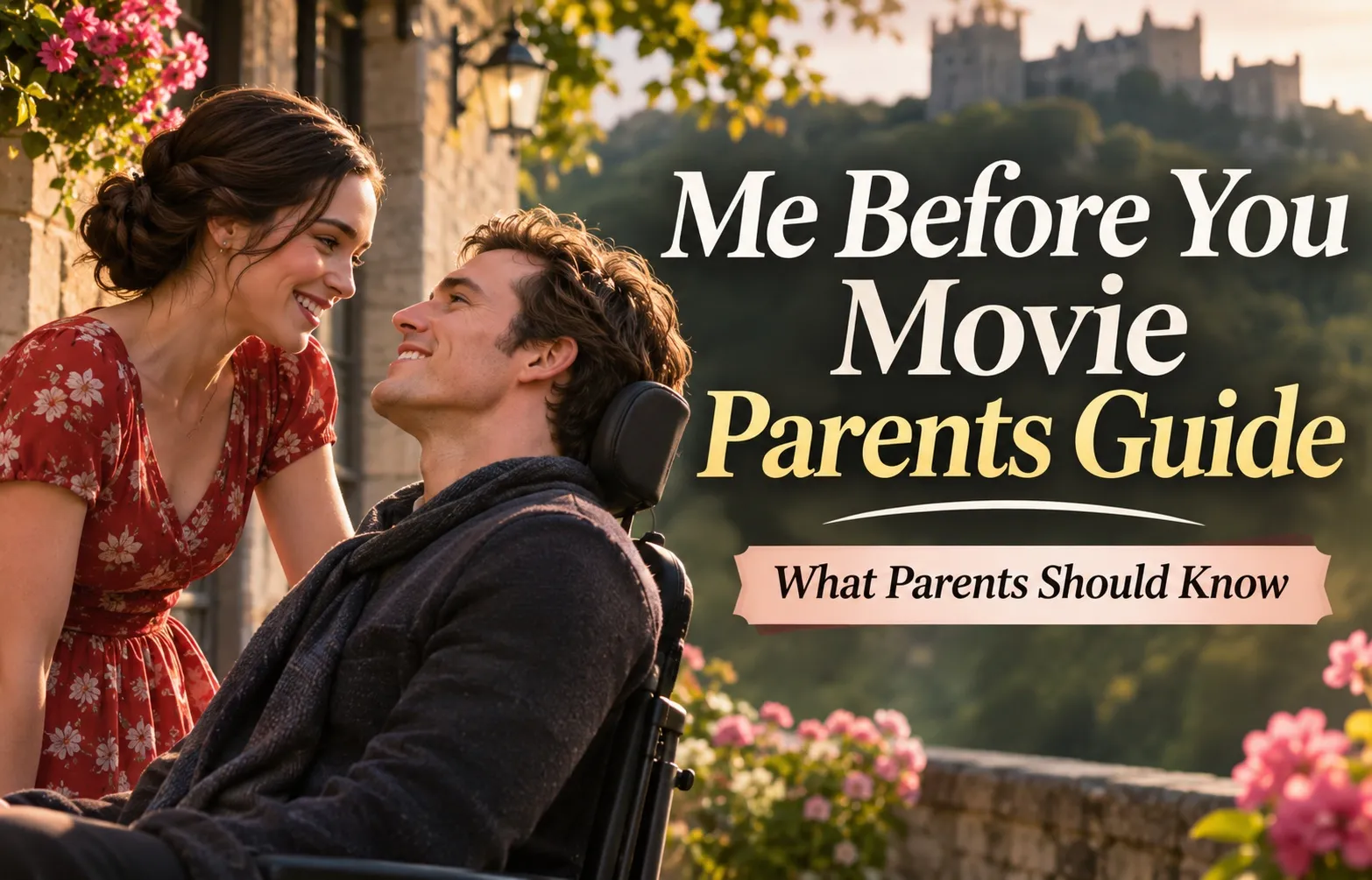
Deciding if a film fits your teenager’s emotional maturity requires a clear understanding of its core content. The 2016 romantic drama Me Before You carries an official PG-13 rating, but advisory boards and family media groups recommend a closer look before viewing.
Quick Summary Table: Is It Right for Your Teen?
Age Recommendation & Content Warning
Evaluating this 2016 adaptation requires looking past standard visual triggers like language or violence. While major databases like IMDb tag the production with a standard parental advisory for PG-13 content elements, independent family organizations suggest viewers be at least 14 years old.
- Emotional Maturity Required: The narrative shifts quickly from a light romance to complex moral questions surrounding quality of life and physical disability.
- Parental Advisory Focus: Parents should prepare for heavy discussions regarding depression, loss of bodily autonomy, and end-of-life choices rather than physical gore or explicit visual content.
- Pre-Teen Suitability: Children under 13 may find the downbeat conclusion and intense dramatic elements overwhelming or difficult to process without adult context.
Detailed Content Breakdown by Category
Understanding what appears on screen helps families evaluate whether the 2016 romantic drama fits their household standards. Reviewing individual triggers ensures viewers are fully prepared for every scene.
Sex, Nudity, and Romance: How “Spicy” Is It?
The film centers on a romance between a wealthy quadriplegic man and his energetic caregiver, but the romantic content remains relatively mild. Families searching for how “spicy” the production is will find minimal explicit material.
- Romantic Interactions: Characters share multiple kisses and embrace affectionately throughout the storyline.
- Suggestive Dialogue: Occasional double entendres and playful remarks occur between characters, but graphic descriptions are absent.
- Visual Attire: Brief scenes show characters in swimwear, such as bikinis, during vacation sequences without explicit nudity.
Profanity and Language Used in the Film
Language within the script stays relatively clean compared to harder PG-13 or R-rated dramas. However, minor vulgarities and casual exclamations do appear.
- Mild Profanity: Words such as “shit,” “ass,” and “boobs” are spoken during conversational banter or emotional outbursts.
- Religious Exclamations: Characters occasionally use “Jesus” and “Christ” in casual or slightly blasphemous contexts.
- Tone and Frequency: Coarse language is infrequent and secondary to the emotional weight of the dialogue.
Violence, Accidents, and Intense Physical Triggers
Physical violence is virtually non-existent, but the narrative hinges on a severe physical accident and intense medical realities. These PG-13 thematic elements drive the dramatic plot.
- The Opening Accident: A sudden motorcycle collision early in the story results in quadriplegia, though the crash impact avoids graphic gore.
- Medical and Physical Limitations: Depictions include reliance on specialized wheelchairs, motorized equipment, and daily caregiver assistance.
- Psychological Distress: Portrayals of severe depression, chronic physical pain, and loss of independence form the core of the dramatic conflict.
Alcohol, Drugs, and Social Substance Use
Substance references are minor and reflect standard social or medical contexts rather than substance abuse themes.
- Social Drinking: Characters consume wine, champagne, and cocktails during social gatherings and dinner scenes.
- Prescription Medication: References and uses of prescription medical treatments appear in connection with managing physical disability and pain.
- Absence of Illicit Substances: Street drugs and heavy substance abuse are entirely absent from the narrative.
The Heavy Themes: Disability, Depression, and Assisted Dying
Examining this cinematic adaptation requires going beyond surface-level content warnings to explore its intense philosophical questions. The narrative moves past typical teen romance tropes to tackle profound moral dilemmas that demand high emotional maturity.
Navigating Complex Topics: Right-to-Die and Euthanasia Themes
The central conflict revolves around a controversial decision regarding personal autonomy and end-of-life choices. For families, understanding these serious motifs beforehand prevents unexpected shock during viewing.
- Assisted Dying and Euthanasia: The storyline follows a character seeking a legal assisted death abroad after struggling to accept life with quadriplegia.
- Disability Representation: The film sparked significant debate regarding disability representation, quality of life perspectives, and how media portrays individuals with severe physical impairments.
- Moral and Ethical Dilemmas: Viewers are forced to weigh opposing viewpoints on whether personal dignity is tied strictly to physical independence.
Emotional Impact and Tearjerker Elements for Sensitive Viewers
Beyond philosophical debates, the production functions as a heavy emotional tearjerker that builds toward a bittersweet and somber resolution. Recognizing this intensity helps guardians gauge a viewer’s sensitivity.
- Severe Depression: Portrayals of deep psychological struggle, grief, and long-term despair require careful emotional grounding for younger or vulnerable teens.
- High Dramatic Tension: The relationship dynamic shifts under the weight of an irreversible timeline, creating sustained dramatic pressure throughout the second half.
- Third-Party Verification: For further context on how advisory boards assess these mature narrative layers, you can review the IMDb Parental Guide for granular user-submitted data points.
Parent-Teen Discussion Guide: Talking Points After the Movie
Watching this drama together provides a unique opening for deep family conversations about life choices and empathy. Using a structured communication guide helps bridge the gap between emotional viewing and meaningful dialogue.
Questions to Ask Your Teenager After Watching
Guiding a post-movie conversation requires open-ended questions that encourage teens to express their feelings rather than simple yes-or-no answers. These targeted prompts help evaluate their emotional maturity and comprehension of the film’s complex topics.
- On Personal Perspective: “How do you think the main character’s definition of quality of life changed after his accident?”
- On Ethical Choices: “What are your thoughts on the difficult choices regarding autonomy and end-of-life decisions presented in the story?”
- On Empathy and Support: “How can friends and family best support someone going through severe physical or emotional struggles?”
Why This Movie Serves as a Powerful Conversation Starter
Most teen movie discussions focus on superficial themes, but this narrative forces audiences to confront real-world ethical gray areas. Serving as a viewing companion for your teenager allows you to provide crucial moral context.
- Challenging Worldviews: The film prompts teens to look past physical appearances and examine how people cope with unexpected life-altering events.
- Building Critical Thinking: Discussing the conflicting perspectives on disability representation helps young adults analyze media messages more thoughtfully.
- Strengthening Trust: Tackling heavy topics together creates a safe space for teenagers to share their own fears, questions, and perspectives with you.

