 Violence, Language, and Mature Themes
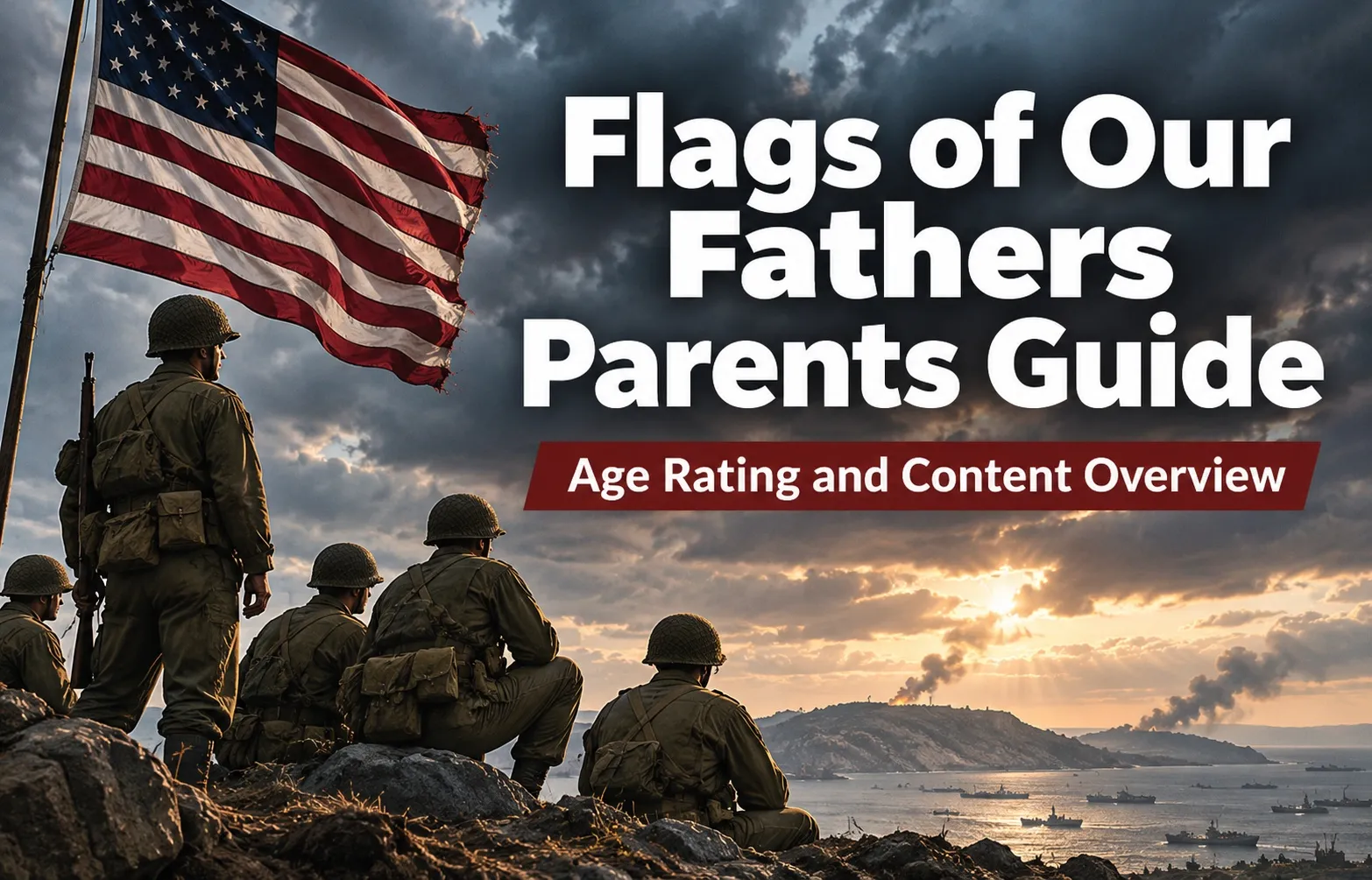
Clint Eastwood’s cinematic adaptation presents an unvarnished examination of wartime realities, containing intense battlefield carnage, frequent profanity, and heavy psychological trauma. Evaluating these specific content categories helps parents and educators determine exact suitability for mature teenagers.
Battlefield Violence, Gore, and Combat Realism
Graphic war violence forms the core visual obstacle for younger audiences during depictions of the historic Battle of Iwo Jima. The combat sequences emphasize the terrifying chaos, sudden destruction, and physical devastation typical of amphibious Pacific theater assaults.
- Features sustained artillery barrages, mortar explosions, and close-quarters bayonet combat.
- Displays realistic bloody injuries, open wounds, and fallen soldiers on volcanic ash beaches.
- Portrays harrowing scenes of troops discovering casualties and enemy fortification hazards.
Profanity and Language Frequency
Language within the production reflects authentic military dialogue among stressed frontline infantrymen during World War II. Viewers will encounter recurrent coarse vocabulary utilized throughout high-stress combat and camp environments.
- Includes frequent uses of the primary profanity term throughout intense combat and downtime.
- Features harsh military slang, rough exchanges, and profane invocations of religious figures.
- Reflects period-accurate gritty speech patterns rather than gratuitous modern vulgarity.
Substance Abuse, Trauma, and PTSD
The narrative heavily explores psychological distress, coping mechanisms, and post-traumatic stress disorder among surviving servicemen. Characters frequently turn to legal substances to manage severe emotional scars from combat.
- Shows incessant cigarette smoking by soldiers in almost every military and promotional scene.
- Depicts heavy, sorrowful alcohol consumption as a primary coping mechanism for severe survivor’s guilt.
- Highlights profound psychological deterioration, anxiety attacks, and emotional isolation.
Absence of Sexual Content and Nudity
Parents seeking to avoid explicit adult intimacy can rest easy knowing sexual content is practically non-existent. The narrative focuses strictly on military duty, political propaganda, and wartime brotherhood rather than romance.
- Contains zero explicit sexual scenes, physical intimacy, or visual nudity.
- Includes brief humorous dialogue regarding military mail restrictions and formal social gatherings.
- Presents women exclusively in modest period dresses during war-bond tour appearances.
Violence, Language, and Mature Themes
Clint Eastwood’s cinematic adaptation presents an unvarnished examination of wartime realities during the Battle of Iwo Jima, containing intense graphic war violence, frequent profanity, and heavy psychological trauma. Evaluating these specific content categories helps parents and educators determine exact suitability for mature teenagers.
Battlefield Violence, Gore, and Combat Realism
Graphic war violence forms the core visual obstacle for younger audiences during visceral depictions of the historic Battle of Iwo Jima. The combat sequences emphasize terrifying chaos, sudden destruction, and physical devastation typical of amphibious Pacific theater assaults.
- Features sustained artillery barrages, mortar explosions, and close-quarters combat showcasing realistic blood and gore.
- Displays severe combat injuries, open wounds, and fallen soldiers on volcanic ash beaches.
- Portrays harrowing scenes of troops discovering casualties and enemy fortification hazards.
Profanity and Language Frequency
Language within the production reflects authentic military dialogue among stressed frontline infantrymen during World War II. Viewers will encounter recurrent coarse vocabulary utilized throughout high-stress combat and camp environments.
- Includes frequent uses of profanity and harsh military slang throughout intense combat.
- Features rough service exchanges and profane invocations of religious figures.
- Reflects period-accurate gritty speech patterns rather than gratuitous modern vulgarity.
Substance Abuse, Trauma, and PTSD
The narrative heavily explores psychological distress, coping mechanisms, and PTSD among surviving servicemen. Characters frequently turn to legal substances to manage severe emotional scars and survivor’s guilt from combat.
- Shows incessant cigarette smoking by soldiers in almost every military and downtime scene.
- Depicts heavy, sorrowful alcohol consumption as a primary coping mechanism for severe psychological trauma.
- Highlights profound psychological deterioration, anxiety attacks, and emotional isolation.
Absence of Sexual Content and Nudity
Parents seeking to avoid explicit adult intimacy can rest easy knowing sexual content is practically non-existent. The narrative focuses strictly on military duty, political propaganda, and wartime brotherhood rather than romance.
- Contains zero explicit sexual scenes, physical intimacy, or visual nudity.
- Includes brief humorous dialogue regarding military mail restrictions and formal social gatherings.
- Presents women exclusively in modest period dresses during war-bond tour appearances.
Educational Perspective: Is Flags of Our Fathers Appropriate for High School Students?
Clint Eastwood’s historical drama offers significant value for high school history students and educators, extending far beyond standard entertainment by examining the mechanics of wartime propaganda. While its R rating requires careful administrative evaluation, the film serves as a potent tool for building critical media literacy surrounding government messaging and public perception during major global conflicts.
Evaluating the Film for Classroom and AP History Use
Instructors teaching advanced courses like AP US History frequently look to cinematic adaptations to bring textbook chapters to life through compelling narrative analysis. This production provides a unique instructional framework for exploring the gap between battlefield sacrifice and institutional exploitation on the home front.
- Illustrates how the U.S. government utilized the famous Iwo Jima flag-raising photograph to drive massive war-bond sales.
- Fosters sharp media literacy by encouraging students to question how media framing shapes public memory and historical narratives.
- Demands strict preliminary vetting and signed parental permission slips due to its graphic combat elements.
Preparing Teenagers for Historical and Psychological Maturity
Hosting a successful educational screening for older adolescents requires balancing rigorous historical inquiry with careful emotional preparation regarding the film’s heavy subject matter. Educators can leverage the project’s deep exploration of trauma to deepen students’ understanding of post-war realities.
- Highlights profound World War II documentary value by focusing on the psychological tolls and survivor’s guilt experienced by real-life veterans.
- Creates an ideal foundation for structured classroom debates contrasting official historical records with cinematic interpretations.
- Allows teachers to review detailed community-voted metrics via the IMDb Parental Guide to ensure classroom standards align with student maturity levels.
Real-Life Historical Controversies and Behind-the-Scenes Context
Clint Eastwood’s film exposes a profound historical controversy regarding how the iconic 1945 Mount Suribachi image was weaponized by Washington. Behind the patriotic facade lay a complex web of mistaken identities, political manipulation, and devastating personal consequences for the men thrust into the national spotlight.
The Controversy of the Flag Raising and Misidentification
The central historical controversy surrounding the iconic Mount Suribachi photograph involves a major military error regarding the true identity of the men involved. Weeks after the initial flag-raising, government investigators discovered that a marine was misidentified, sparking intense public scrutiny over wartime record-keeping and official media narratives.
- The Marine Corps initially misidentified combatant Harlon Block as another soldier, a mistake only corrected years later after extensive historical investigations.
- Public trust was strained when citizens realized the famous image captured a second flag-raising on the summit rather than the historic initial ascent.
- The film directly addresses these discrepancies, contrasting raw battlefield reality with manufactured heroism designed to rally the American public.
Political Exploitation and the Tragic Fate of Ira Hayes
Government propaganda efforts deeply exploited the surviving flag-raisers, pulling them from active combat to tour the nation for critical war-bond sales. This cynical political maneuvering inflicted severe psychological strain, leading directly to profound survivor’s guilt and the tragic, untimely downfall of Native American Marine Ira Hayes.
- Pima Indian Marine Ira Hayes was thrust into grueling public speaking tours despite suffering from acute trauma and combat exhaustion.
- Heavy reliance on war bonds funding required the surviving flag-raisers to reenact their trauma nightly for stadium crowds.
- The immense pressure fueled chronic alcoholism and deep-seated survivor’s guilt, culminating in Hayes’ tragic death a decade after the war.
[Section 6: Frequently Asked Questions (PAA & AI Overview Target) (H2)]
Section Purpose & Intent: Target Google AI Overviews and People Also Ask boxes using clear, direct Q&A formats optimized for snippet extraction.
Sub-headings (H3s):
Is Flags of Our Fathers historically accurate?
What makes Flags of Our Fathers rated R?
Where can I stream Flags of Our Fathers?
Entities / Keywords to Integrate: streaming platforms, historical accuracy, MPAA guidelines, parent queries.
Media Integration: None.
External Link Directive: No external link in this section.

