 As Above So Below Parents Guide
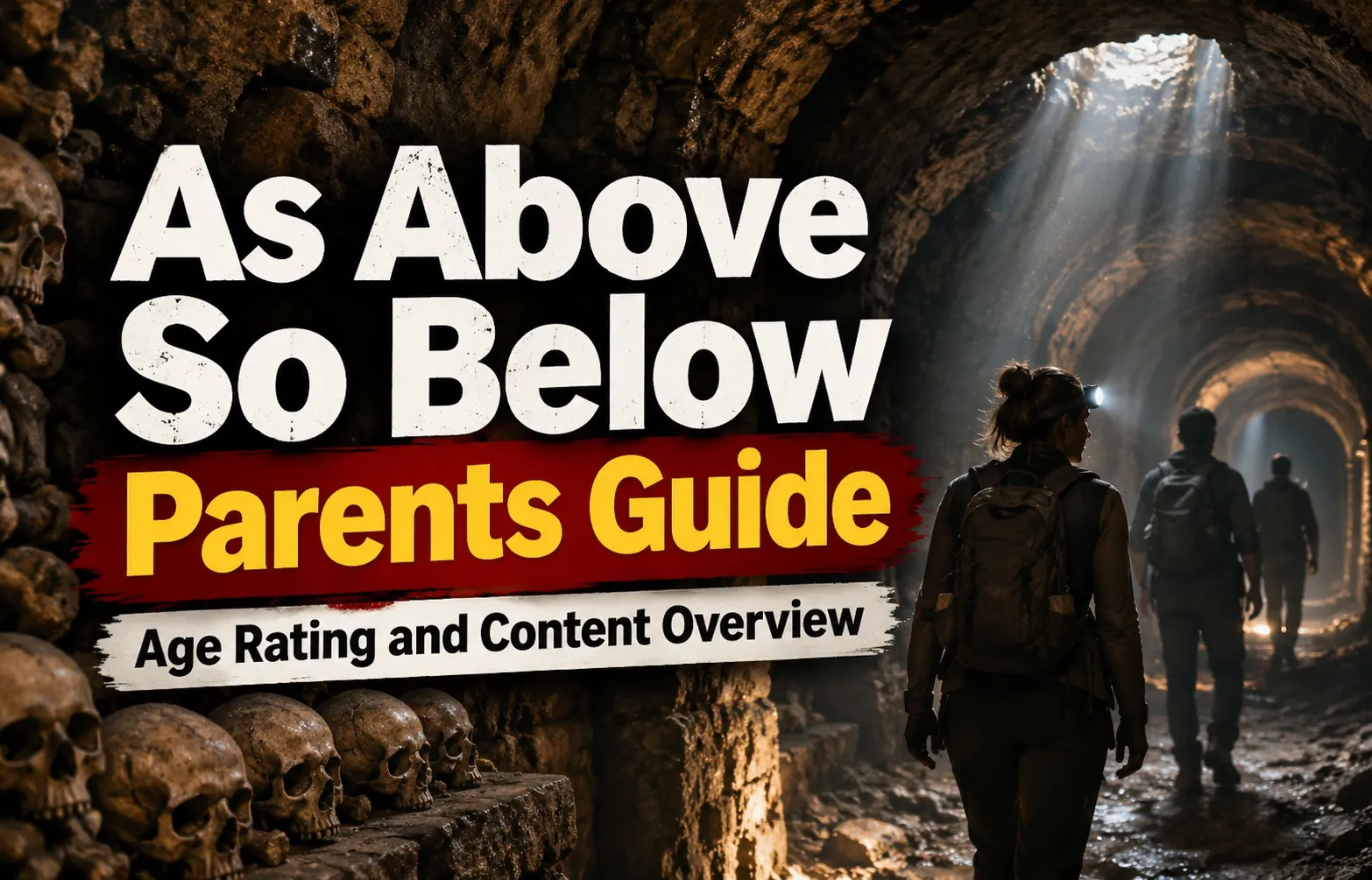
The 2014 found-footage horror film As Above, So Below is an intense thriller set deep within the subterranean catacombs of Paris. For parents evaluating whether this movie is suitable for younger viewers, a quick assessment reveals that it contains severe psychological terror, bloody violence, and pervasive profanity.
Because of these mature elements, the film requires careful consideration before allowing teenagers or pre-teens to watch. A structured breakdown highlights the core advisory details:
- Official Classification: Rated R for intense terror, bloody violence, and language throughout.
- Recommended Maturity: Strictly recommended only for older teens aged 16 and above.
- Primary Trigger: Heavy claustrophobia and panic-inducing subterranean environments.
Official MPAA Rating & Age Recommendation
The Motion Picture Association (MPAA) officially awarded the movie an R rating due to explicit elements of bloody violence, sustained terror, and frequent language. These ratings reflect content that is fundamentally inappropriate for children under seventeen without parental supervision.
Media safety platforms and advisory boards consistently align on these cinematic boundaries. For comprehensive crowdsourced details and specific parent feedback regarding individual scenes, you can consult the official IMDb Parents Guide.
- Children under 14 should completely avoid the feature due to severe jump scares and dark occult themes.
- Mature 16-year-olds with an established tolerance for horror may handle the suspense, provided parents discuss the fictional nature of the narrative beforehand.
- The relentless underground setting amplifies anxiety, making the recommended age limit heavily dependent on an individual adolescent’s emotional maturity.
Can Kids Watch It? Answering Top Parent Questions
Is As Above So Below ok for kids? The definitive answer is no, because this movie is entirely unsuitable for children or young adolescents due to its intense terror, disturbing visual imagery, and frequent profanity. Parents evaluating safe media options should look elsewhere for family viewing.
Navigating appropriate age rating thresholds requires careful oversight, particularly when selecting horror movies for teens. Understanding specific thematic triggers helps parents protect younger viewers from unnecessary trauma.
Can My 12-Year-Old or 13-Year-Old Watch It?
Can my 12 year old watch it? Child development experts and advisory boards strongly advise against letting 12 or 13-year-olds view this particular found-footage thriller. The relentless psychological pressure and graphic elements far exceed normal adolescent maturity levels.
- Intense Panic Triggers: Characters experience severe claustrophobic entrapment and panic attacks that can deeply distress younger viewers.
- Frightening Apparitions: Visual manifestations of past personal traumas and terrifying entities appear abruptly throughout the runtime.
- Oppressive Atmosphere: Unlike mainstream adventure films, the underground setting remains grim, dark, and relentless from start to finish.
Maturity Level: Why Pre-Teens Should Avoid This Film
The overall maturity level required to process the film’s complex narrative and horrific sequences aligns strictly with older audiences. Pre-teens lack the cognitive framework to digest simulated death, guilt-driven psychological torture, and visceral underground peril safely.
- Strict Age Restrictions: The official age rating reflects content designed exclusively for older audiences, making it entirely inappropriate for pre-teens.
- Hyper-Realistic Found-Footage Style: The documentary-style camera work makes the terror feel immediate and authentic, frequently causing sleep disturbances in younger minds.
- Complex Thematic Elements: Explorations of Dante-esque descents into hell and deep-seated guilt require a mature, philosophical perspective that children do not yet possess.
Why is As Above, So Below Rated R? (MPAA Breakdown)
Why is As Above, So Below rated R? The Motion Picture Association awarded the film an R rating primarily due to its persistent bloody violence, sustained terror, and heavy profanity throughout the running time. These core components establish a mature boundary that completely excludes younger audiences.
Understanding the regulatory reasoning helps parents and viewers evaluate the specific content filters enforced by official rating boards before deciding to watch.
The Official MPAA Rationale Explained
The official MPAA rationale explicitly cites bloody violence, intense terror, and continuous coarse language as the primary drivers. These regulatory markers ensure the film remains restricted to mature viewers who can process heavy psychological pressure and physical peril.
- Sustained Terror: The narrative is built around escalating claustrophobic panic, dark atmospheric dread, and supernatural frights.
- Graphic Physical Harm: Characters endure brutal underground injuries, significant blood loss, and hazardous cave-in environments.
- Pervasive Language: Coarse expressions, intense exclamations, and crude dialogue occur frequently among the frantic team members.
Key Elements Driving the R Rating
Several specific production elements elevate the film well beyond standard PG-13 thresholds, anchoring its strict classification firmly in realistic terror and visceral danger.
- Visceral Blood and Gore: Open wounds, crushed limbs, and bloody environments appear at critical moments of crisis as the characters descend deeper.
- Psychological Torture: Characters confront physical manifestations of their deepest personal guilts and past traumas in suffocating subterranean spaces.
- Intense Audio-Visual Design: The documentary-style shaky-cam perspective combined with heavy audio distress maximizes audience anxiety and disorientation.
What’s Actually Inside the Movie?
A comprehensive content breakdown reveals that the film packs moderate-to-severe elements across violence, occult themes, and language while keeping sexual content minimal. Examining these granular categories helps viewers understand precisely what appears on screen before watching.
Evaluating each thematic category individually prevents unpleasant surprises and ensures full awareness of the visual and psychological intensity.
Violence, Gore, and Physical Injuries
Violence and gore remain moderately severe throughout the expedition, featuring bloody head injuries, crushing cave-ins, and brutal physical attacks. Characters suffer graphic physical trauma as the underground tunnels collapse and hostile entities close in.
- Graphic Head Wounds: Characters sustain severe cuts, bleeding head injuries, and visible trauma from falling debris and claustrophobic collapses.
- Crushing and Entrapment: Claustrophobic cave-ins result in crushed limbs, frantic digging through bloodied rubble, and pools of blood.
- Hostile Encounters: Attacks by menacing, hooded figures and grotesque demonic entities inflict brutal physical damage and permanent harm.
Profanity and Strong Language Instances
Profanity occurs frequently throughout the 93-minute runtime, containing roughly 50 to 120 instances of coarse expressions and crude language. The high-stress emergency setting drives characters to use sharp exclamations under extreme pressure.
- Pervasive Expletives: Strong curse words, including frequent use of the “f-word,” are spoken during moments of panic and life-or-death decision-making.
- Harsh Expressions: Secondary profanities and aggressive insults appear regularly as team tensions escalate in the dark.
- Exclamatory Outbursts: Characters mix intense religious exclamations with crude language when confronting supernatural horrors.
Sex, Nudity, and Costume Choices
Sex and nudity are extremely mild, featuring only a brief, non-sexual glimpse of female nudity during an underground ritual scene. Costuming throughout the film focuses primarily on practical exploration gear rather than revealing outfits.
- Brief Ritual Nudity: A surreal underground initiation sequence features a brief, non-erotic display of bare female breasts.
- Practical Attire: Explorers wear standard caving equipment, wet tops, and rugged climbing gear appropriate for deep subterranean water navigation.
- Absence of Romance: There are zero sexual encounters, romantic subplots, or explicit physical intimacy scenes in the entire narrative.
Spiritual and Occult Themes
Spiritual and occult elements form the narrative core of the movie, drawing heavily on alchemical symbols and a Dante-esque descent into hell. The story centers on recovering the legendary philosopher’s stone via esoteric historical artifacts.
- Hermetic and Alchemical Lore: The plot revolves around Nicolas Flamel’s legacy, ancient riddles, and underground alchemical chambers.
- Dante-esque Descent: The physical journey mirrors a descent into hell, where characters confront literal representations of their deepest past sins and guilts.
- Dark Occult Imagery: Disturbing satanic symbols, cursed artifacts, and supernatural manifestations populate the subterranean environment.
Detailed Content Breakdown: What’s Actually Inside the Movie?
A comprehensive content breakdown reveals that the film packs moderate-to-severe elements across violence, occult themes, and language while keeping sexual content minimal. Examining these granular categories helps viewers understand precisely what appears on screen before watching.
Evaluating each thematic category individually prevents unpleasant surprises and ensures full awareness of the visual and psychological intensity.
Violence, Gore, and Physical Injuries
Violence and gore remain moderately severe throughout the expedition, featuring bloody head injuries, crushing cave-ins, and brutal physical attacks. Characters suffer graphic physical trauma as the underground tunnels collapse and hostile entities close in.
- Graphic Head Wounds: Characters sustain severe cuts, bleeding head injuries, and visible trauma from falling debris and claustrophobic collapses.
- Crushing and Entrapment: Claustrophobic cave-ins result in crushed limbs, frantic digging through bloodied rubble, and pools of blood.
- Hostile Encounters: Attacks by menacing, hooded figures and grotesque demonic entities inflict brutal physical damage and permanent harm.
Profanity and Strong Language Instances
Profanity occurs frequently throughout the 93-minute runtime, containing roughly 50 to 120 instances of coarse expressions and crude language. The high-stress emergency setting drives characters to use sharp exclamations under extreme pressure.
- Pervasive Expletives: Strong curse words, including frequent use of the “f-word,” are spoken during moments of panic and life-or-death decision-making.
- Harsh Expressions: Secondary profanities and aggressive insults appear regularly as team tensions escalate in the dark.
- Exclamatory Outbursts: Characters mix intense religious exclamations with crude language when confronting supernatural horrors.
Sex, Nudity, and Costume Choices
Sex and nudity are extremely mild, featuring only a brief, non-sexual glimpse of female nudity during an underground ritual scene. Costuming throughout the film focuses primarily on practical exploration gear rather than revealing outfits.
- Brief Ritual Nudity: A surreal underground initiation sequence features a brief, non-erotic display of bare female breasts.
- Practical Attire: Explorers wear standard caving equipment, wet tops, and rugged climbing gear appropriate for deep subterranean water navigation.
- Absence of Romance: There are zero sexual encounters, romantic subplots, or explicit physical intimacy scenes in the entire narrative.
Spiritual and Occult Themes
Spiritual and occult elements form the narrative core of the movie, drawing heavily on alchemical symbols and a Dante-esque descent into hell. The story centers on recovering the legendary philosopher’s stone via esoteric historical artifacts.
- Hermetic and Alchemical Lore: The plot revolves around Nicolas Flamel’s legacy, ancient riddles, and underground alchemical chambers.
- Dante-esque Descent: The physical journey mirrors a descent into hell, where characters confront literal representations of their deepest past sins and guilts.
- Dark Occult Imagery: Disturbing satanic symbols, cursed artifacts, and supernatural manifestations populate the subterranean environment.
The Hidden Danger: Claustrophobia, Panic, and Psychological Terror
Beyond traditional gore, the true horror of the film stems from suffocating claustrophobia and relentless psychological terror. The Paris catacombs set the stage for severe panic attacks that affect sensitive viewers long after viewing.
Understanding this psychological weight is crucial for parents and viewers evaluating whether the suffocating underground atmosphere is appropriate.
Why the Paris Catacombs Setting Creates Intense Anxiety
The Paris catacombs form an oppressive, narrow subterranean labyrinth that triggers acute claustrophobia. Characters spend large portions of the runtime crawling through tight, mud-filled tunnels where movement is severely restricted.
- Suffocating Enclosure: Low ceilings, narrow stone shafts, and tight squeezes generate constant physical and mental pressure.
- Unescapable Darkness: The deep underground setting provides no easy route of escape, heightening feelings of total isolation.
- Atmospheric Weight: The heavy, damp, and dusty environment creates an intense atmosphere of inescapable doom.
Jump Scares, Shaky-Cam, and Panic Attacks
The film employs shaky-cam found footage techniques combined with sudden jump scares to induce disorientation and panic attacks. The chaotic camera movement places viewers directly inside the panic of the characters.
- Disorienting Perspective: First-person camera angles mimic handheld recording equipment, amplifying realism and dizziness.
- Abrupt Jump Scares: Sudden auditory cues and unexpected apparitions cause severe startle reflexes throughout the narrative.
- Psychological Breakdown: Characters suffer debilitating panic attacks as supernatural elements prey on their personal guilts and past traumas.
Final Parents’ Verdict & Recommendation Summary
Deciding on a movie night recommendation requires careful alignment between an adolescent’s emotional maturity and the film’s intense psychological weight. While seasoned horror enthusiasts may appreciate the unique subterranean setting, the overwhelming majority of younger viewers should skip it entirely.
Establishing clear boundaries helps parents protect sensitive viewers from unnecessary anxiety and claustrophobic distress.
Final Verdict: Who Should Watch It and Who Should Skip It?
The final parents’ verdict is clear: restrict this film strictly to older teens ages 16 and above who are mature horror fans with a proven tolerance for intense psychological suspense and mild gore. Anyone outside this narrow demographic will likely find the experience distressing.
- Who Should Watch: Older teens and mature horror fans who enjoy found-footage thrillers, alchemical mysteries, and psychological tension.
- Who Should Skip: Pre-teens, younger adolescents under 16, and anyone sensitive to claustrophobic spaces, panic attacks, or dark occult themes.
- Parental Supervision: Even for older teens, discussing the fictional nature of the Paris catacombs setting beforehand helps contextualize the intense terror.
Alternative Horror Options for Younger Teens
If younger teens or pre-teens are eager for a spooky movie night recommendation without the severe R-rated terror and blood, several lighter alternatives offer safe thrills. These options provide engaging suspense without crossing into graphic trauma.
- PG-13 Supernatural Mysteries: Look for classic supernatural adventures that emphasize eerie atmosphere over graphic violence and existential dread.
- Animated Dark Fantasy: Highly stylized animated features offer imaginative scares and spooky storytelling appropriate for developing minds.
- Adolescent Adventure Thrillers: Mystery-driven narratives featuring young protagonists provide suspenseful entertainment without explicit profanity or severe gore.

