 Maze Runner Scorch Trials Parents Guide: Is It Safe for Kids?
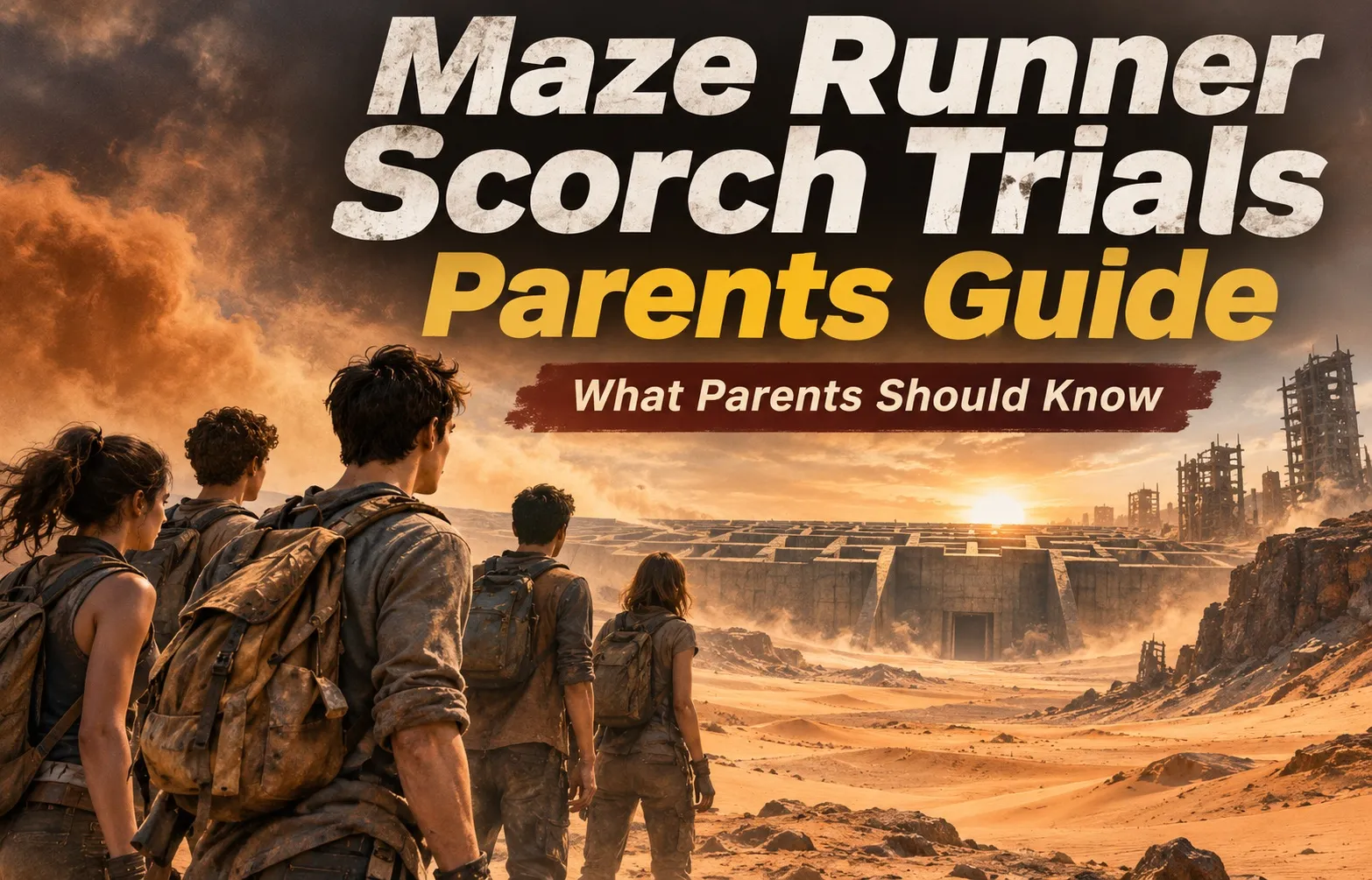
Maze Runner: The Scorch Trials (2015) is an action-packed post-apocalyptic thriller rated PG-13 by the MPA. It follows Thomas and the Gladers as they escape WCKD and navigate a desolate wasteland known as the Scorch.
Parents seeking an immediate verdict will find that the film leans heavily into intense sci-fi violence, zombie-like antagonists, and frightening thematic elements. While generally appropriate for older teens aged 13 and up, it is significantly darker and scarier than the first installment.
At a Glance: Is Maze Runner: The Scorch Trials Right for Your Teen?
Deciding whether your teenager is ready for this sequel requires looking at key maturity indicators. The movie trades the contained enclosure of the first film for a sprawling, hazardous environment filled with high-stakes survival scenarios.
- Official MPAA Rating: PG-13 for extended sequences of violence and action, thematic elements, substance use, and language.
- Recommended Age: 13+ or 14+ for sensitive viewers who struggle with jump scares or body horror.
- Core Content Warnings: Zombie-like infected humans (“Cranks”), intense gunfights, panic-inducing underground tunnels, and a dark, bleak atmosphere.
- Sexual Content: Minimal, limited to kissing scenes, club dancing, and non-sexual partial showers.
What Parents Need to Know Before Pressing Play
Understanding the narrative context helps parents evaluate whether the film’s intense elements align with their teen’s emotional maturity. The story picks up immediately after the maze escape, plunging characters straight into corporate experimentation and life-or-death escapes.
- Intense Survival Themes: Characters face betrayal, deception by trusted figures, and constant threats from both the dystopian organization WCKD and brutal environmental hazards.
- Substance Use Depictions: Teen characters are tricked into consuming home-brewed alcohol at an underground party, resulting in temporary disorientation, blurred vision, and mild hallucinations.
- Medical and Sci-Fi Horror: The narrative involves forced medical procedures, blood draws, tracking injections, and viral outbreaks that turn people into aggressive mutants.
- Language Threshold: Profanity is moderate for a PG-13 rating, featuring words like “shit,” “damn,” “hell,” and “bitch” used during high-stress action sequences.
Official Rating Breakdown & MPA Justification
Understanding the exact reasons behind an official film rating helps parents make informed decisions without relying on guesswork. The Motion Picture Association evaluated this sequel to ensure families receive transparent safety metrics before viewing.
Evaluating each designated category clarifies how the content impacts younger audiences. Examining the specific triggers provides a granular look at what to expect throughout the runtime.
MPAA Rating & Official Guidelines
The Motion Picture Association officially rated Maze Runner: The Scorch Trials as PG-13. This classification indicates that some material may be inappropriate for children under 13 years of age, urging parents to exercise caution.
- Official Classification: Rated PG-13 for extended sequences of violence and action, thematic elements, substance use, and language.
- Comparison Context: While sharing the same rating tier as the first film in the franchise, this sequel ramps up the intensity and frequency of its content triggers.
- Reference Documentation: For comprehensive user-submitted scene timestamps and detailed parental notes, you can review the IMDb Parents Guide.
Why Did It Get PG-13? (Key Trigger Factors)
Several distinct narrative and stylistic elements pushed the film past a standard PG rating into PG-13 territory. Recognizing these core trigger factors helps determine whether a viewer can handle the intensity.
- Extended Action and Violence: Frequent gunfights, explosive chases, and physical altercations dominate the runtime as characters constantly run for their lives.
- Thematic Elements: Heavy dystopian themes focus on corporate experimentation on teenagers, global viral devastation, and profound betrayal by authority figures.
- Substance Use and Profanity: Mild-to-moderate language appears alongside a prominent party scene involving intoxicated teens, impaired coordination, and hallucinogenic visuals.
Violence, Gore & Frightening Scenes
Moving beyond basic summaries requires a closer look at the actual elements that shape the viewing experience. This section breaks down the intense sequences, frightening characters, and thriller elements that distinguish the film from its predecessor.
Parents evaluating suitability for younger viewers will find specific details regarding the zombie-like antagonists, underground hazards, and overall suspense level throughout the narrative.
Violence, Gore, and the “Cranks” (Zombie-Like Humans)
The film introduces horror-survival elements driven by infected individuals known as “Cranks.” These characters feature open, decaying wounds, erratic movements, and aggressive behavior that elevates the threat level significantly.
- Infected Human Encounters: Cranks frequently lunge, bite, and chase characters through sudden jump scares and high-stress combat sequences.
- Combat and Weaponry: Expect frequent gunfights, militarized shootouts, explosions, tasers, and close-quarter stabs involving human adversaries and corporate guards.
- Bleak Aesthetic: The presence of blood, injuries, and decaying physical conditions gives the action a much grittier tone than standard teen sci-fi.
Darker Tone & Claustrophobic Thriller Vibes
The overall atmosphere shifts dramatically away from the open-air enclosure of the first movie into a tense, oppressive survival thriller. Characters constantly navigate hostile environments under severe psychological pressure.
- Underground Sewer Sequences: Characters must creep through dark, confined tunnels while evading blind, sound-sensitive infected mutants in the shadows.
- Constant Paranoia: The narrative highlights betrayal and institutional tracking, leaving characters with few safe havens or trusted allies.
- Exhausting Survival Stakes: Continuous sprinting, helicopter attacks, and collapsing infrastructure keep tension high from beginning to end.
Scariest Scenes Breakdown for Sensitive Teens
Pinpointing the most intense segments allows parents to anticipate moments that might trigger anxiety or discomfort in sensitive viewers.
- The Abandoned Mall Hospital: An early exploration sequence features dark corridors where dormant infected humans suddenly burst out from containment barriers.
- The Lightning and Storm Chase: Characters escaping across the desolate Scorch face hazardous environmental elements alongside sudden ambushes by armed mercenaries.
- Laboratory Experiments: Visuals of teenagers hooked up to complex machinery and medical IV lines emphasize invasive corporate control.
Language, Substance Use & Minor Elements
Evaluating dialogue, party sequences, and interpersonal relationships helps parents gauge whether the movie aligns with family standards. While the film avoids explicit adult content, it features moderate elements common in dystopian teen dramas.
Examining these specific behavioral depictions ensures complete transparency regarding profanity frequency, underground party dynamics, and on-screen romance.
Profanity & Strong Language Analysis
The dialogue contains moderate profanity concentrated primarily during high-stress action sequences, narrow escapes, and moments of intense interpersonal frustration among the characters.
- Frequency and Severity: Language is typical for a PG-13 action thriller, avoiding excessive repetition but including words that younger children might mimic.
- Common Expletives: Dialogue features uses of words such as “shit,” “damn,” “hell,” “bitch,” and occasional minor religious exclamations.
- Context of Use: Profanity is driven by panic and survival urgency rather than casual or malicious conversational habits.
Alcohol, Party Scene, and Substance Use
A notable sequence mid-film involves characters entering an underground community where they encounter altered states and party environments.
- The Underground Club: Characters are tricked by local inhabitants into consuming home-brewed alcoholic drinks at a vibrant celebration.
- Impairment and Hallucinations: The substances lead to temporary disorientation, blurred vision, distorted audio, and vivid hallucinations for protagonist Thomas.
- Medical Sub-themes: Beyond recreational use, the story heavily features medical injections, blood draws, and chemical serums administered by WCKD researchers.
Romance, Kissing, and Modesty Check
Interpersonal relationships play a secondary role to survival, though romantic tension and physical closeness surface during quieter narrative moments.
- Passionate Kisses: Characters share intense, passionate kisses influenced by the altered emotional state during the party sequence.
- Modesty and Attire: Visuals include club dancing with somewhat revealing outfits, alongside a brief non-sexual showering scene focusing on gritty survival realism.
- Relationship Dynamics: Trust and loyalty between characters like Thomas, Teresa, and newcomer Brenda remain platonic and cooperative despite underlying tensions.
How The Scorch Trials Compares to the First Maze Runner
Understanding how this sequel shifts in tone and intensity helps parents gauge whether a child who enjoyed the first film can handle the change. While both entries share a PG-13 rating, the overall viewing experience differs significantly in style and scare factor.
Examining the contrast between the controlled environment of the original movie and the expansive wasteland of the sequel highlights why many viewers find the second installment much more intense.
Is The Scorch Trials Scarier Than the First Movie?
The sequel leans much harder into survival horror, action-thriller pacing, and body horror elements than The Maze Runner (2014). Parents should expect a noticeable step up in overall tension and visual frights.
- Horror Element Escalation: The inclusion of infected “Cranks” introduces sudden jump scares, decaying physical wounds, and relentless pursuit scenes that surpass the mechanical Grievers of the first film.
- Psychological Pressure: Characters face continuous betrayal, psychological manipulation, and bleak hopelessness rather than the structured mystery of solving a single puzzle.
- Action Frequency: Gunfights, explosions, and near-death escapes happen at a much faster, continuous rate throughout the runtime.
Setting Shift: From Enclosed Maze to Open Wasteland
The narrative scope undergoes a massive scale upgrade, abandoning the confined concrete walls of the Glade for a vast, lawless exterior world devastated by solar flares and viral outbreaks.
- The Scorched Earth: Characters navigate crumbling urban ruins, blinding dust storms, and desolate deserts that emphasize isolation and environmental hazard.
- Loss of Sanctuary: Unlike the first film where the Glade provided a home base, the sequel forces characters into constant flight with virtually no safe zones.
- Dystopian Realism: The post-apocalyptic world building focuses heavily on refugee camps, underground black markets, and corporate ruthlessness.
Final Parent Verdict & Age Recommendation Guide
Making a final decision on whether to permit viewing requires weighing overall maturity against specific content triggers. This concluding guide synthesizes the rating data and tone shifts to help you establish a clear boundary for your household.
Utilizing a structured age recommendation matrix ensures you can confidently match the film’s gritty survival horror elements with your teenager’s individual emotional resilience.
Final Age Recommendation: Who Can Watch This Safely?
The film is best suited for mature teenagers who can handle intense action, jump scares, and grim post-apocalyptic themes without becoming overly distressed.
- Recommended Baseline Age: 13 and up is the minimum threshold, aligning with the official MPAA rating and standard maturity guidelines.
- Sensitive Viewer Adjustment: For younger adolescents or sensitive teens prone to anxiety from zombie horror, pushing the recommendation to 14 or 15 is often advisable.
- Parental Supervision: Co-viewing or discussing the intense sci-fi themes beforehand helps younger teens process the bleak atmosphere and corporate betrayal elements.
When to Skip or Postpone This Movie for Your Child
Certain behavioral patterns or specific sensitivities indicate that waiting a year or two before allowing your child to watch the film is the safer choice.
- Fear of Horror Tropes: Skip or postpone if your teen experiences nightmares or strong anxiety when exposed to zombie-like creatures, sudden jump scares, and decaying wounds.
- Distlike of Bleak Thrillers: If your child prefers lighthearted adventure, the unrelenting stress, gunfire, and oppressive underground tunnel sequences may prove overwhelming.
- Parent Final Checklist: Review your child’s reaction to the first Maze Runner movie; if they found the Griever attacks or dark mood too stressful, this sequel will likely cross their comfort threshold.
What to Talk About With Your Teen After Watching
Engaging your teenager in a post-movie conversation transforms a standard viewing experience into a valuable opportunity for critical thinking and media literacy. Exploring the deeper narrative layers helps teens process complex moral dilemmas and dystopian concepts.
Guiding discussions around corporate ethics, personal loyalty, and survival choices fosters stronger communication and encourages young viewers to analyze the media they consume beyond surface-level action.
Key Themes to Discuss (Ethics, Survival, and Trust)
The narrative introduces challenging philosophical questions regarding the boundaries of science, institutional power, and ethical compromise during a global crisis.
- The Ethics of Experimentation: Examine WCKD’s justification that sacrificing a few immune teenagers is acceptable to find a cure for the rest of humanity, and discuss whether the end justifies the means.
- Trust and Betrayal: Analyze how characters navigate fractured alliances, deception by authority figures, and the difficulty of rebuilding trust in a lawless world.
- Resilience in Adversity: Discuss how the characters manage continuous stress and uncertainty, highlighting emotional endurance versus physical survival.
Questions to Ask Your Teen Post-Movie
Using open-ended questions encourages teenagers to articulate their own perspectives on the film’s moral conflicts and character choices.
- Evaluating Authority: “If you were in Thomas’s position, how would you decide who to trust when official organizations claim they are trying to save the world?”
- Morality Under Pressure: “Do you think WCKD’s extreme methods made them just as dangerous as the virus and the Cranks?”
- Media Literacy: “How does this post-apocalyptic story reflect real-world issues like public health crises, government overreach, or corporate responsibility?”

