 A History of Violence (2005) at a Glance
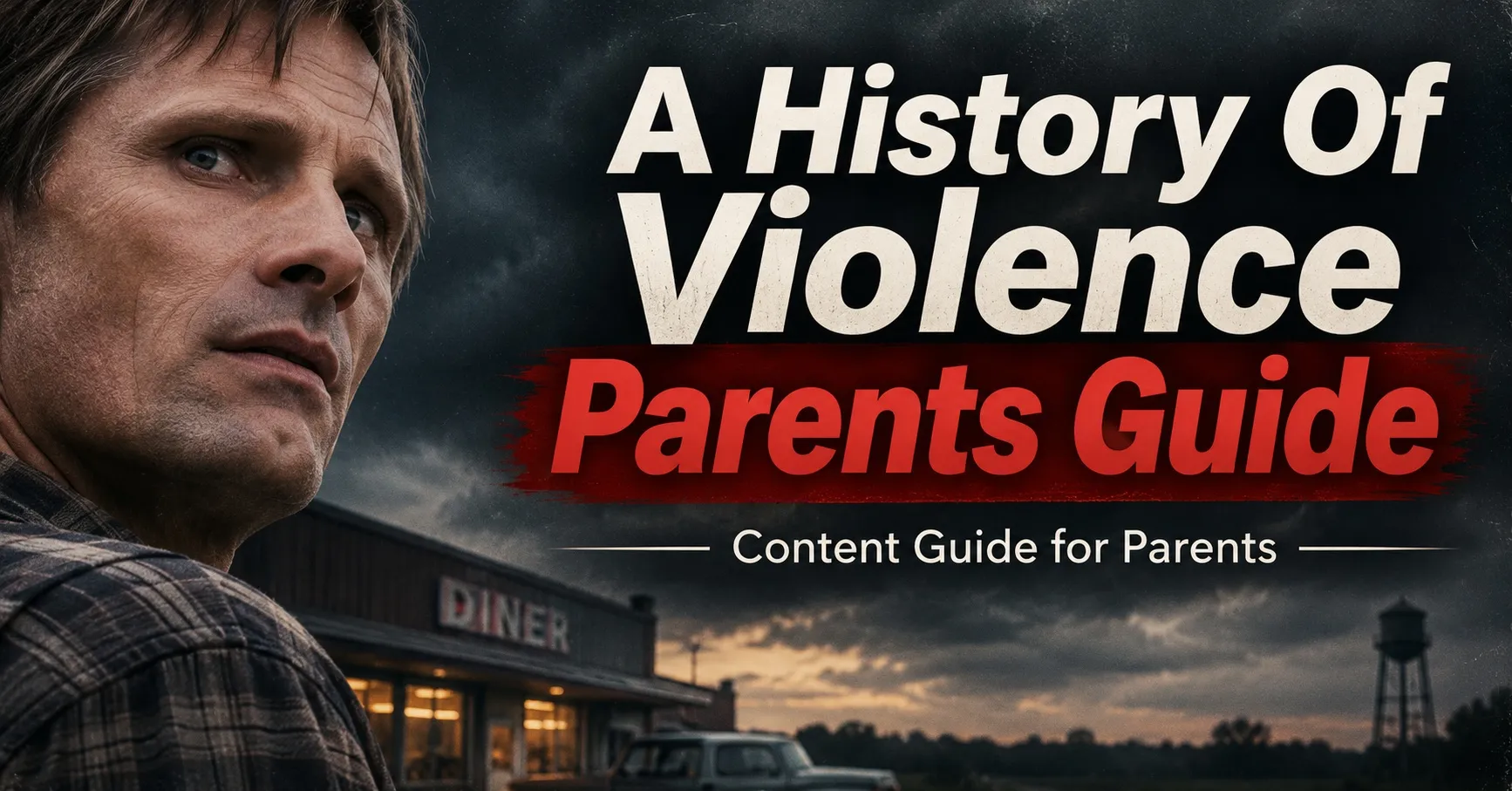
Directed by David Cronenberg and starring Viggo Mortensen, A History of Violence is an intense crime thriller that requires strict parental discretion. The Motion Picture Association (MPAA) officially designates the film as Rated R, citing its heavy focus on graphic physical conflict, intense psychological pressure, and mature adult themes.
At-a-Glance Rating and Content Severity Scorecard
Navigating whether this production is appropriate for your household requires analyzing its core advisory metrics across leading entertainment evaluation platforms. A History of Violence records severe content indexing across multiple safety boards due to its uncompromising exploration of dark human behavior.
MPAA Classification: Rated R for strong brutal violence, graphic sexuality, nudity, language, and some drug use.
IMDb Parental Guidelines: Indexed with severe warnings for graphic physical trauma, explicit intimate sequences, and heavy profanity.
Common Sense Media Score: Strictly recommended for older teens aged 17 and up or mature adult audiences.
Kids-In-Mind Evaluation: High severity scores recorded for bloody violence and sexual content, with moderate levels of coarse language.
Who Should (and Shouldn’t) Watch This Film?
This gripping psychological drama is built exclusively for mature audiences, adult moviegoers, and fans of gritty auteur-driven cinema. Younger viewers, children, and sensitive adolescents should completely avoid the production due to its realistic, uncompromising depiction of lethal force and moral complexity.
Recommended Viewers: Mature adults, film enthusiasts, and followers of director David Cronenberg’s psychological thrillers.
Strictly Prohibited For: Children, pre-teens, and younger teens under the age of 17 who are vulnerable to graphic imagery.
Parental Guidance Directive: Parents should review detailed scene breakdowns and evaluate individual teen maturity before permitting any viewing sessions.
Violence, Sex, Language, and Substance Use
Navigating the precise advisory metrics of A History of Violence requires examining four core content pillars: physical violence, intimate scenes, profanity, and substance use. This comprehensive breakdown consolidates scattered data sources into a single, unified reference hub to give parents an exact understanding of what appears on screen.
Violence and Gore (Extreme Brutality and Graphic Injuries)
A History of Violence features extremely brutal, graphic, and realistic violence that justifies its strict R rating. The film does not shy away from physical trauma, showcasing sudden and visceral combat moments that leave permanent emotional and physical impacts on the characters.
Graphic Shootings: Several scenes involve sudden close-range firearm discharges with visible blood splatter and fatal outcomes.
Severe Physical Trauma: The narrative depicts intense physical brutality, including slashed throats, blown-off jaws, crushed noses, and bone-breaking hand-to-hand combat.
Contextual Intensity: The violence is depicted with raw realism rather than stylized choreography, emphasizing the horrifying physical consequences of lethal conflict.
Sex, Nudity, and Intimate Scenes
The film contains frequent explicit nudity and intense intimate interactions that are strictly unsuited for minor viewers. These scenes are designed to reflect the raw, complicated relationship dynamics between the main characters rather than functioning as casual background romance.
Explicit Nudity: Features repeated full-frontal and upper-body nudity during private domestic and tense psychological sequences.
Intimate Encounters: Includes a rough and passionate staircase sex scene, depictions of mutual oral sex, and emotionally charged sexual roleplay between the married leads.
Thematic Weight: Intimacy is utilized as a storytelling device to illustrate power struggles, reconciliation, and psychological strain within the family unit.
Profanity and Strong Language Intensity
Coarse language and heavy use of strong profanity run consistently throughout the narrative. Dialogue carries aggressive, confrontational weight, reflecting the high-stakes criminal undertones and psychological stress experienced by the characters.
F-Word Frequency: Multiple instances of the f-word and its derivatives are utilized during moments of high tension and conflict.
Verbal Hostility: Characters frequently resort to harsh insults, aggressive threats, and severe verbal altercations under pressure.
Substance Use (Alcohol, Smoking, and Drug References)
Substance use appears regularly as a backdrop to social settings and character coping mechanisms. While not the central focus of the plot, alcohol, cigarette smoking, and casual cannabis use are visibly integrated into key scenes.
Tobacco and Alcohol: Characters are frequently shown smoking cigarettes and drinking alcohol in domestic environments, diners, and social gatherings.
Cannabis References: Includes occasional instances of casual cannabis use and related discussions among supporting characters.
Scene Timeline and Specific Trigger Warnings
Understanding the precise scene timeline helps parents identify where heavy physical violence and psychological tension concentrate throughout the narrative. The film moves from a shocking, immediate display of lethal force in the opening minutes to escalating threats across domestic and public environments.
The Opening Diner Sequence (Immediate Violence)
The film opens with a brutal, unexpected act of violence that establishes its uncompromising tone within the first ten minutes. Two ruthless drifters terrorize a small-town diner, culminating in sudden, graphic gunfire and physical trauma that catches both characters and viewers entirely off guard.
Sudden Escalation: The sequence transitions from a quiet morning shift into a lethal confrontation with zero cinematic warning.
Graphic Aftermath: Features close-range shootings, visible blood splatter, and immediate fatal casualties.
Character Actions: Showcases Viggo Mortensen’s character neutralizing the threat with shocking, calculated physical precision.
Mid-Film Confrontations and Psychological Tension
Mid-film sequences shift from immediate physical gore to heavy psychological pressure and ominous intimidation tactics. Ed Harris enters the narrative as a menacing figure from the past, confronting Tom Stall and his family in public spaces and disrupting their peaceful small-town routine.
Intimidation Tactics: Menacing verbal threats, psychological probing, and stalker-like surveillance by mysterious criminals.
Domestic Disruption: Tensions spill directly into the family home, creating deep emotional strain between Viggo Mortensen and Maria Bello.
Escalating Paranoia: Builds severe suspense as the protagonist’s hidden identity and dark history begin to unravel under scrutiny.
The Climax and Graphic Confrontations
The narrative culminates in a violent, bloody climax that resolves the central conflict through explicit physical brutality. The final acts feature intense hand-to-hand combat, severe injuries, and profound emotional fallout for the surviving family members.
Uncompromising Brutality: Features bloody physical altercations, broken bones, and high-stakes fatal showdowns.
Emotional Resolution: Closes with a heavy, somber silence that underscores the lasting psychological trauma of the violence.
Official Trailer and Scene Preview
Movie vs. Graphic Novel: Understanding the Source Material
Many parents searching for advisory details experience confusion regarding whether the story originates from a traditional novel or a book series. The 2005 film adaptation is actually derived from a visual comic medium, meaning advisory concerns apply differently when evaluating the original print material versus the screen production.
Origin of the Story: John Wagner and Vince Locke’s Graphic Novel
The cinematic production is directly adapted from a critically acclaimed graphic novel created by writer John Wagner and artist Vince Locke, originally published in 1997. This source material established the dark premise of a man running from a violent syndicate past, presented through stark black-and-white illustration.
Authorship: Written by prominent comic writer John Wagner and visually illustrated by artist Vince Locke.
Format & Medium: Published as a standalone crime graphic novel rather than a standard text-based novel.
Tone & Style: Features stylized, noir-inspired illustration styles that lean heavily into graphic underworld themes.
Key Differences Between the Comic Book and David Cronenberg’s Film Adaptation
While New Line Cinema adapted the fundamental premise for the 2005 film, director David Cronenberg and screenwriter Josh Olson implemented substantial narrative and tonal changes. Recognizing these divergences helps parents understand how the screen adaptation expands upon or alters the graphic novel’s original events.
Setting and Atmosphere: The film shifts the aesthetic from the comic’s stark mob environments into a tranquil, rural small-town backdrop in Indiana to heighten the dramatic contrast.
Character Dynamics: The cinematic version deepens the family dynamics, particularly focusing on the psychological impact on Tom Stall’s wife and children.
Visual Intensity: The 2005 film replaces comic book illustration with hyper-realistic, live-action gore, making the on-screen parental advisory considerations significantly heavier than the printed pages.
Plot Summary, Core Themes, and Ending Explained (With Spoilers)
Synopsis: The Quiet Life of Tom Stall in Millbrook, Indiana
Tom Stall lives a deceptively peaceful life running a small-town diner in Millbrook, Indiana, sharing a quiet suburban existence with his wife and children. However, his idyllic routine shatters instantly when he thwarts a brutal robbery, putting his hidden past into motion and turning him into an overnight media sensation.
The Millbrook Setting: A serene, picturesque Indiana town that serves as a sharp visual contrast to the dark underworld secrets hidden beneath the surface.
The Diner Incident: Tom’s lightning-fast, lethal reaction to armed intruders stuns the local community and launches his public profile into national news.
Unwanted Exposure: The sudden media spotlight broadcasted after the incident inadvertently alerts dangerous criminal figures from his suppressed past.
The Past Catches Up: Joey Cusack’s Arrival
The narrative intensifies dramatically when menacing mob enforcer Carl Fogarty arrives in town, claiming Tom is actually a ruthless Philadelphia hitman named Joey Cusack. This confrontation shatters the family’s security and forces Tom to confront the violent identity he tried desperately to leave behind.
Fogarty’s Confrontation: Ed Harris plays the menacing enforcer who systematically dismantles Tom’s innocent small-town facade.
Escalating Domestic Threat: The danger rapidly shifts from public spaces directly into the Stall family home, testing marital trust and child safety.
The Final Mob Encounter: The introduction of powerful mob boss Richie Cusack exposes the inescapable gravity of Joey’s old life.
Ending Explained: Psychological Subtext, Identity, and Family Dynamics
The ambiguous ending of this psychological thriller explores the terrifying premise that violent instincts can never be truly erased, regardless of how deeply a person tries to bury them. Rather than offering a neat moral resolution, the film examines whether a reformed man can ever fully escape his true nature.
Dual Identity Conflict: The core narrative examines the psychological friction between the domestic family man Tom and the cold-blooded killer Joey Cusack.
Haunting Family Resolution: Following a bloody final showdown, Tom returns home to a tense, silent dinner where his family must process the horrifying reality of his actions.
Thematic Ambiguity: The final silent gesture from his wife signals uneasy acknowledgment and survival rather than absolute forgiveness or rejection.
Streaming on Netflix, Parental Controls, and Post-Movie Discussion Guide
Streaming Availability and Setting Up Parental Controls on Netflix
Accessing A History of Violence through digital platforms like Netflix requires strict account management to ensure proper minor protection. Because streaming catalogs frequently rotate and feature high-severity R-rated content, configuring platform-level restrictions is an essential safeguard for modern households managing shared digital devices.
Profile Maturity Filters: Lock down individual viewing profiles in your Netflix account settings by restricting maximum allowed maturity ratings to prevent R-rated titles from appearing on children’s home screens.
PIN Protection: Secure adult profiles with a mandatory four-digit PIN code to ensure younger children cannot switch accounts and access restricted media unsupervised.
External Content Verification: Always cross-reference platform ratings by checking the official IMDb Parental Guide database to review precise trigger warnings before launching a streaming session.
Post-Movie Conversation Guide for Parents and Older Teens (17+)
Reviewing this dark psychological thriller with older teens aged 17 and up requires intentional, structured post-watch dialogue. Rather than dismissing the intense imagery, parents should guide mature adolescents through critical media literacy questions concerning morality, repressed identity, and the severe real-world consequences of violence.
Identity and Persona: Discuss the psychological dichotomy between Tom Stall’s peaceful small-town persona and his violent past as Philadelphia hitman Joey Cusack.
Realism vs. Glorification: Evaluate whether the film effectively portrays the devastating emotional and physical trauma of lethal force or if it sensationalizes combat.
Family Trust Dynamics: Explore how domestic trust, communication, and protective instincts warp under extreme external pressure and criminal threats.

